7 Major Online Esports and Gaming Tournaments
The digital arena has transformed competitive play. Seven distinct tournament formats now dominate the online landscape, each offering a unique path for players, spectators, and businesses. Understanding these tournaments is not just about knowing the schedule; it’s about recognizing the opportunities they create for different people in the community.
For a newcomer, a list of tournaments might just look like a calendar of events. For a seasoned competitor, it’s a roadmap to potential earnings and recognition. An educator might see a framework for teaching teamwork and strategy, while a business owner views a vibrant marketplace. The same topic matters profoundly differently depending on where you stand.
The Seven Core Tournament Formats
While the specific games change, the underlying structures remain consistent. These are the seven primary types you’ll encounter online.
- Open Invitationals: Anyone can register. They prioritize accessibility and large-scale participation, often serving as a gateway for new talent.
- Invitational League Circuits: Season-long competitions for pre-qualified teams. They focus on sustained performance, storytelling, and building fan bases.
- Solo/Duel Championships: Focused on individual skill in 1v1 or small-team games. They highlight personal mastery and are often easier for solo creators or hobbyists to engage with.
- Crowdfunded Community Cups: Often organized by fans or communities with prizes funded by participants. They emphasize passion and grassroots engagement.
- Publisher-Sanctioned Majors: Official, high-stakes events run by the game’s developer. They offer legitimacy, large prizes, and are central to a game’s professional ecosystem.
- Charity & Cause Events: Tournaments where proceeds support a cause. They blend competition with social impact, attracting a different kind of sponsor and participant.
- Amateur & Collegiate Series: Structured competitions for non-professional players, often tied to schools or regions. They prioritize learning, safe competition, and career development.
Why This Matters: A Lens for Different Audiences
The value of understanding these tournaments isn't universal. Your role defines what you look for and what you take away.
For Players and Competitors
A beginner might target Open Invitationals or Amateur Series for a low-pressure entry point. Their priority is ease of access and a learning environment where mistakes are part of the process. An experienced player evaluates tournaments based on competitive quality, reliable administration, and the commercial value of prizes and exposure. They skip open invitationals and focus on circuits and majors where the long-term usefulness for a career is clear.
For Creators, Streamers, and Educators
Here, the tournament itself can be content or a curriculum. A streamer might participate in a Charity Event to align their channel with a positive cause, valuing the presentation and story. An educator could use the structure of a League Circuit to teach students about project management, teamwork, and analytics over a sustained period. For them, the learning value and flexibility to adapt the model are key.
For Entrepreneurs and Business Owners
This audience looks at tournaments as marketplaces. A small business owner might sponsor a Community Cup for affordable, hyper-local engagement. A marketer evaluating Publisher-Sanctioned Majors looks at scale and brand alignment. Their core priorities are commercial value, reliable audience delivery, and the professional presentation of the event they associate with. The tournament type dictates the appropriate level of investment.
Aligning Your Goals with the Right Tournament Type
Knowing the formats helps you match your project to the right opportunity. Let’s consider practical examples.
A freelance graphic designer (hobbyist/creator) wants to showcase work. Entering a Solo Championship for a game like a digital card game could provide a public platform to demonstrate skill, with the event serving as a live portfolio piece. They care about presentation and creative expression.
A local esports cafe owner (small business owner) aims to drive foot traffic. Organizing a small, in-house Open Invitational using a popular fighting game is a practical start. Their needs are ease of execution, cost control, and creating a community feel that brings customers back.
A university club leader (educator/professional) wants to teach management skills. Running a simulated Invitational League Circuit for club members, handling schedules, disputes, and promotion, turns theory into practice. The priority is the educational framework and long-term usefulness of the experience for members.
Presentation and Professionalism: Your Digital Front Door
For many of these audiences—whether you’re a team recruiting members, a business sponsoring an event, or a community organizing a cup—how you present your plans online is critical. A clear, professional website acts as the hub for information, registration, and communication.
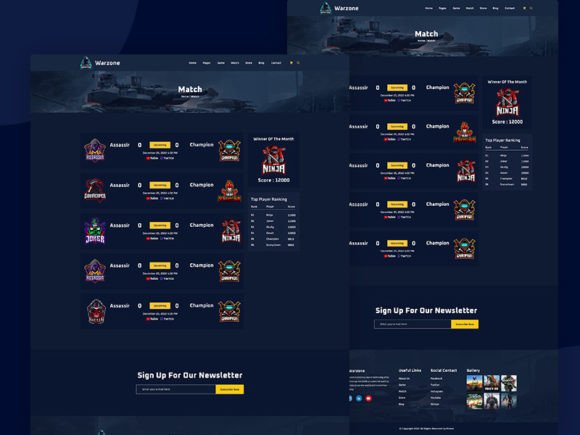
If you are thinking about launching a site for your game plans, having a structure that immediately conveys credibility matters. Using a purpose-built web template, like a crypto game template or other gaming-focused design, can save significant time. These templates come with layouts suited for event schedules, team rosters, live results, and media galleries—eye-catching features that communicate seriousness.
This isn’t about generic claims; it’s about practical assistance. A well-structured site built from a relevant template is an effective source of information for your customers, participants, or students. It answers questions before they’re asked and reduces administrative friction. For a business owner, it enhances commercial value. For a community organizer, it boosts reliability and trust. For an educator, it provides a clear learning resource.
Evaluating What You Need
Before diving into any tournament model or its supporting website, ask yourself a few questions. Is your primary goal learning, earning, teaching, or building? Does your skill level match the competition’s intensity? Does the tournament’s format—open, closed, long-term, or one-off—suit your available time? And finally, will your digital presence, perhaps built using a tailored template, adequately support that effort?
The seven online esports and gaming tournaments are more than just events. They are frameworks for engagement, each serving a different segment of this vast digital community. By understanding their structures and aligning them with your own intentions, you can choose a path that offers genuine value, whether you’re there to play, watch, teach, or grow a business.