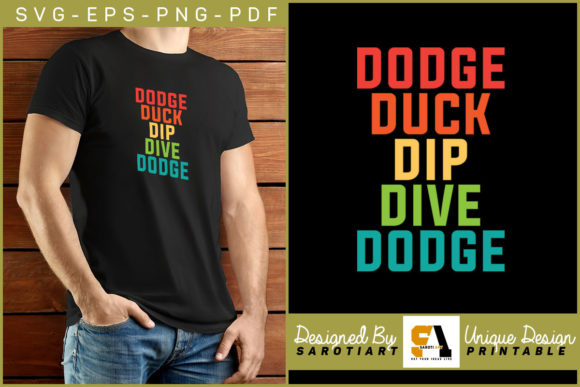
Dodge Duck Dip Dive Dodge: A Nostalgic Design for Creative Expression
The phrase “Dodge Duck Dip Dive Dodge” instantly evokes the chaotic, hilarious energy of the classic dodgeball game. It’s a slice of pure nostalgia, a shared cultural memory from gym classes and beloved films. The Dodge Duck Dip Dive Dodge T-shirt Retro design captures this feeling perfectly, transforming a playful mantra into a versatile digital asset for creators. This isn't merely a graphic; it's a ready-to-implement component for a wide range of personal and professional projects.
The Design as a Creative Catalyst
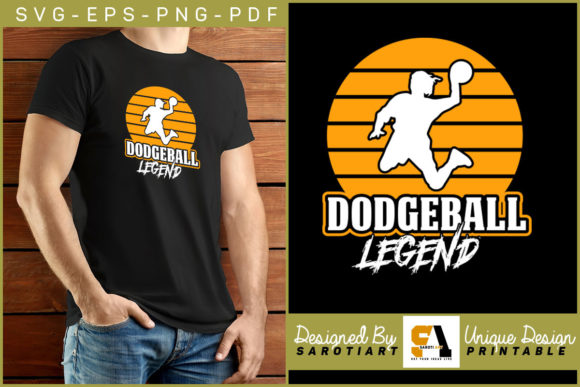
At its core, the Dodge Duck Dip Dive Dodge T-shirt Retro design from Sarotiart serves as a high-quality, multi-format digital file bundle. You receive EPS, SVG, PDF, and PNG files immediately upon purchase. This collection is the starting point, the raw material for your creative or commercial workflow. Its primary use case is, of course, apparel—specifically t-shirts. For dodgeball enthusiasts, sports teams, or anyone with a fondness for retro gaming culture, this design provides a unique and conversation-starting centerpiece for custom garments.
However, its application extends far beyond clothing. The inclusion of vector files (EPS and SVG) means the design is infinitely scalable without loss of quality, making it suitable for large-format printing like posters or banners. The raster PNG file is optimized for digital use. This versatility allows the design to integrate seamlessly into various stages of a project lifecycle. A blogger might use it to create branded social media graphics for a post about recreational sports. A small business owner running a print shop can add it to their catalog of offered designs. An event planner could incorporate it into invitations or decorations for a themed party celebrating teamwork or fun.
Integration into Practical Workflows
Integrating a pre-made digital design like this into your process requires consideration of preparation and compatibility. Before purchase, assess your end goal. Are you printing physical products, or is the output purely digital? The file bundle covers both paths. The SVG and EPS files are crucial for professional printing workflows, as they are compatible with industry-standard software like Adobe Illustrator and CorelDRAW, allowing for easy color separation or further customization. The PDF provides a stable format for quick proofs or inclusion in composite documents.
For a typical t-shirt creation workflow, the process after acquiring the files is straightforward. Download the compressed ZIP folder, extract the files, and select the format that matches your printer’s requirements or your design software's preference. If you're using an online print-on-demand service, you would typically upload the PNG or SVG file to their platform, position it on their shirt mockup, and proceed to listing. The design acts as a plug-and-play asset, eliminating the need for initial sketching, digitization, or vectorization, thereby saving significant time in the design phase of your project.
Ensuring Quality and Consistency
A key advantage of using such a dedicated digital file pack is the control it offers over quality and consistency. Since you own the files, you can ensure the same exact design is reproduced across different media—from a small sticker to a large wall poster—maintaining brand or thematic consistency. This is particularly valuable for entrepreneurs or marketers building a cohesive visual identity around a niche interest like gaming or retro sports. The design becomes a reusable asset, not a one-off purchase.
Long-term organization is also simplified. Store the ZIP folder or extracted files in your dedicated digital asset library alongside other designs, logos, and templates. This facilitates efficient reuse for future campaigns, seasonal promotions, or new product lines. For instance, the same Dodge Duck Dip Dive Dodge design could be used for a summer dodgeball league promotion, then later for a winter "throwback" sale, all while maintaining visual recognition.
Beyond Apparel: Expanding the Use Cases
The practical implementation of this design stretches into numerous domains. Educators or coaches might use it to create motivational posters or team badges. Freelancers in the craft space can utilize the PNG for scrapbooking elements or printable decorations for themed events. The digital nature of the files means they can be quickly adapted for web use, such as blog headers, email newsletter banners, or online community graphics.
It's important to note the boundaries as well. The listing clarifies that mockups of physical products are not included, and no physical item is shipped. This focuses the offering purely on the digital design files. Your workflow therefore moves from acquisition directly to your own production or publishing channel. This requires you to have, or to partner with, the means of output—a local printer, an online POD service, or digital publishing tools. The design is the central creative piece; your process supplies the platform and logistics.
A Tool for Personalization and Support
The design also fits into personal and social workflows. It’s described as suitable for family, supporters, or special occasions. Imagine creating custom shirts for a friend’s dodgeball tournament birthday party, or printing cards with the design to invite guests. The workflow here is personal project management: defining the occasion, selecting the design as the thematic anchor, choosing the output medium (card, shirt, sticker), and executing the print through a local service or home printer using the provided PDF or high-res PNG.
For the productivity-minded user or hobbyist, this represents an efficient solution. Instead of spending hours designing from scratch or commissioning a custom illustrator, you acquire a professionally made, theme-perfect asset instantly. This allows you to allocate your time and resources to the other aspects of your project—the marketing, the distribution, the event planning—while the creative core is already solved.
The Dodge Duck Dip Dive Dodge T-shirt Retro design, in essence, is a modular creative component. It enters your workflow at the planning or asset-gathering stage. Its multi-format nature ensures compatibility with subsequent steps in production, whether digital or physical. By understanding its file types and intended uses, you can smoothly integrate it into your processes, from business branding to personal celebration, leveraging a piece of nostalgic fun to achieve a practical, creative outcome.